The UK Foraging Calendar: What to Pick Safely Each Month
The trick to foraging well isn't a bigger field guide. It's knowing what's worth finding this week. A hedgerow that gives you nothing in June can hand you three good things in October, and the mushrooms that fill a basket after rain have turned to slime a fortnight later. So here is a working calendar for the UK, built around peak windows rather than fixed dates. Everything shifts by a fortnight either way: Cornwall runs ahead of Caithness, and a sheltered, south-facing wood runs ahead of an exposed hillside.
January and February: the quiet months
Winter is quieter, not empty. Bare ground and wet verges give up hairy bittercress and chickweed — both tender and peppery now, before they flower and toughen. Along the coast, sea beet keeps going all winter; take the glossy outer leaves and leave the crown to regrow. From February, the first Alexanders shoots and three-cornered leek appear on sheltered lanes in the south and west, and wild garlic follows in Devon and Cornwall by the end of the month.
On the fungal side, frost is not the end of the season. Velvet shank grows in tufts on dead elm and willow and shrugs off cold snaps; oyster mushrooms appear after milder, damp spells. Both grow on wood, which is exactly where you must slow down — the funeral bell, which is deadly, also grows on decaying timber.
If in doubt, leave it out.
March to May: leaves at their best
This is the busiest stretch of the year for foliage. Start with stinging nettles: take the top two or three pairs of leaves from plants that haven't flowered, wear gloves, and cook or blanch them. Beside them, look for wild garlic in damp woodland. Crush a leaf — it should smell unmistakably of garlic. If it doesn't, walk away, because lily of the valley and lords-and-ladies grow in the same places.
Hawthorn's new leaves, the old "bread and cheese", are a brief April treat. Add common sorrel for sharpness, ground elder and sweet cicely at the pale young stage, garlic mustard, dandelion and the first wild strawberry flowers.
Peak windows
- Nettles: March to early May, before flowering
- Wild garlic leaves: March to May; flowers April to June
- Sorrel and wood sorrel: March to May, before the flower stems rise
- Alexanders: February to May, coastal lanes and hedges
June and July: flowers and the first fruit
Elderflower is the headline act. Pick the heads when the flowers are fully open and smell of muscat, on a dry morning once the dew has lifted, and use them the same day — the flavour fades fast. Meadowsweet fills damp ditches, yarrow shows up on dry grassland, and fennel stands tall on waste ground and beside railway paths. On the coast, marsh samphire is crispest from June into August: snip the top joints and leave the base to keep growing.
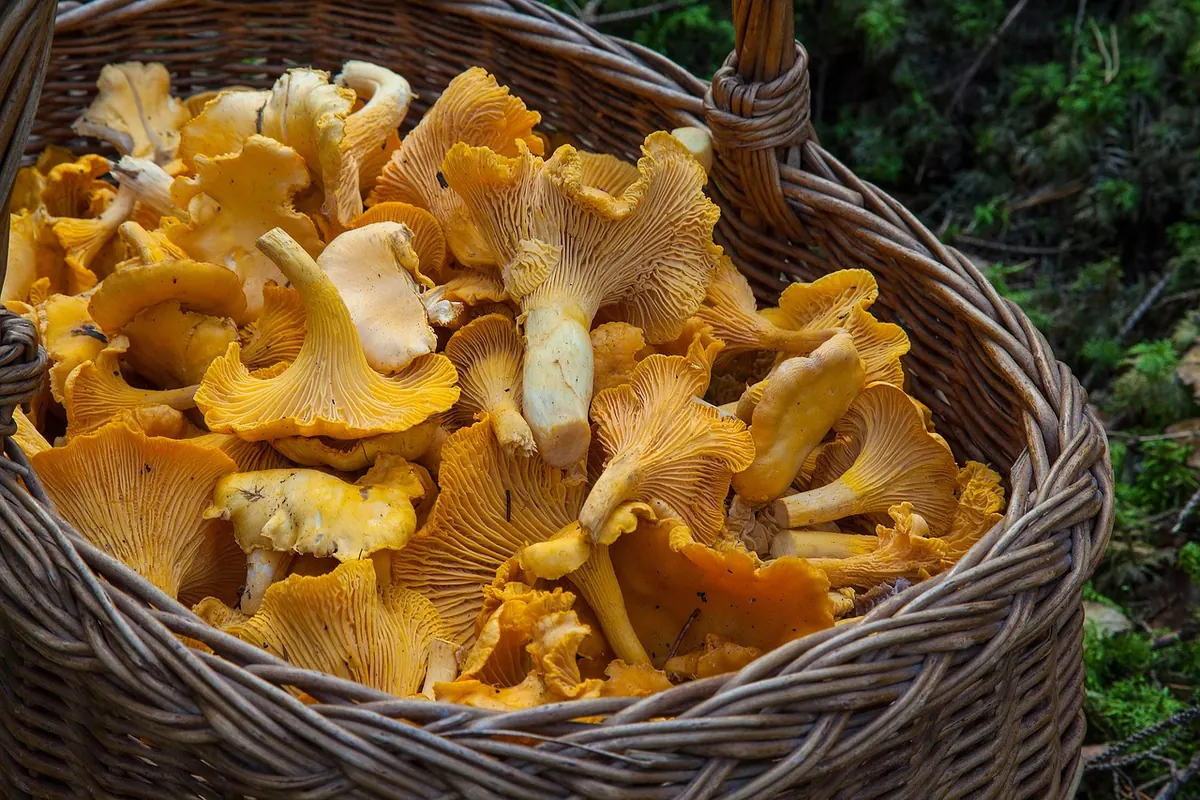
Wild strawberries hide in short grass on woodland edges from June. Bilberries ripen through July on heathland and moorland, and the first chanterelles can appear in birch and oak woods after a wet spell.
August and September: the glut
Blackberries from mid-August into October, and elderberries from late August onwards. Cook elderberries — raw berries and stalks upset the stomach. Haws, rosehips and hazelnuts all arrive now; beat the squirrels by a week or two and pick hazelnuts while the husks are still green. Rowan berriyu and the start of sea buckthorn follow on coastal dunes.
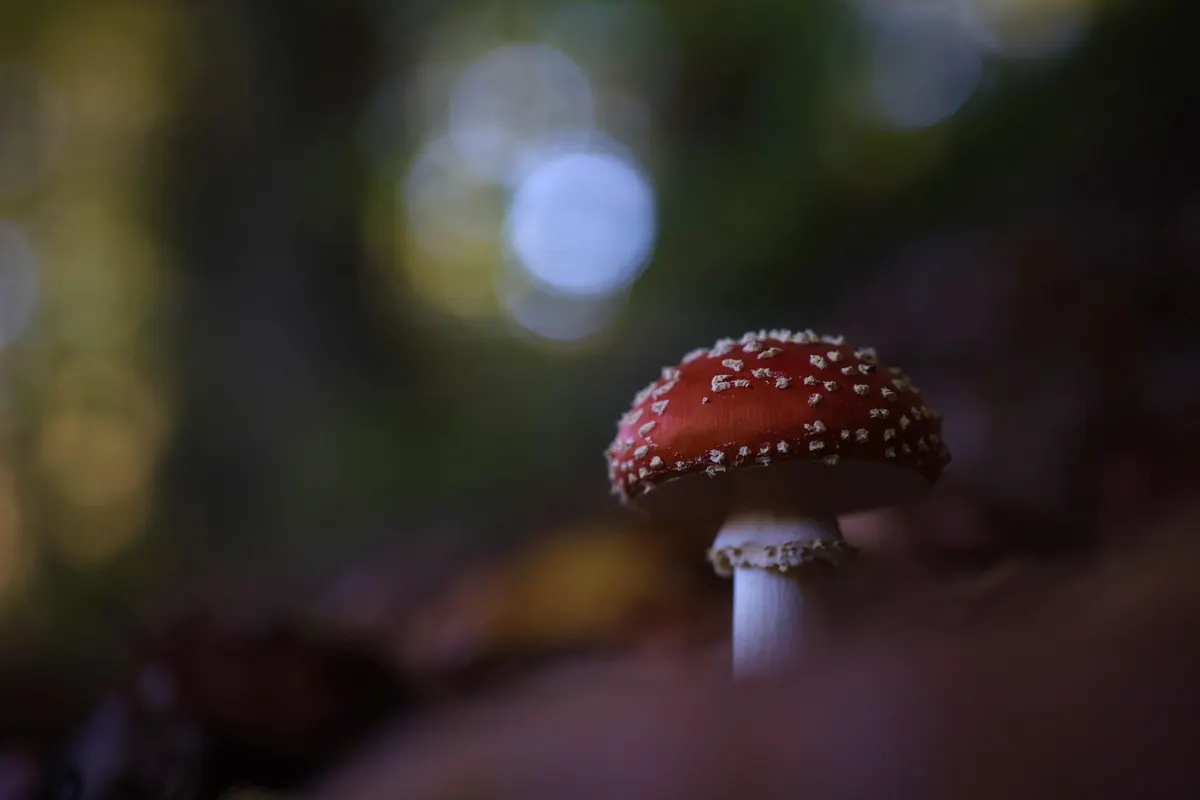
In the woods, this is cep, chanterelle, puffball and horse mushroom weather. Cut a puffball and check the inside is uniformly white, like a marshmallow. Any yellowing or grey means it's past it, and a young Amanita in its egg stage can look alarmingly similar from the outside.
October to December: nuts, hips and hard weather
Sweet chestnuts drop through October, best eaten within days of falling. Sloes, crab apples, damsons and rosehips fill the hedges. Sloes and hips are traditionally left until after the first frost, though freezing them at home does the same job for gin and jelly. Sea buckthorn is at its most abundant now on dune systems, especially along the east coast.
Later in the year, look for wood blewit, field blewit and winter chanterelle in mossy conifer litter, with velvet shank and oyster mushrooms on dead wood right through to February. Cold-weather fungi are worth the wet walk, but they are also where beginners make their most serious mistakes.
Forage safely, forage kindly
Good habits matter more than a long species list:
- Identify from two independent sources, and eat only what you are certain of.
- Take from the middle of a patch, never the edge, and leave plenty behind.
- Avoid roadsides, sprayed field margins and popular dog-walking verges.
- Use what you gather within a day or two, and keep it cool in the meantime.
- Learn one or two species a season properly, rather than twenty vaguely.
- Never uproot a plant without the landowner's permission.
On access, the reliable rule is simple: picking leaves, fruit, flowers and fungi for personal use is generally tolerated on land where you already have a right to be, but it is not a universal right, and permission from the landowner settles the question. Uprooting always needs that permission, and some rare species are legally protected from picking, as are many protected sites. Check the rules for the specific place before you set out, and don't treat a nature reserve like a larder.
With fungi, be stricter than you think you need to be. No photograph, app or second-hand description is a substitute for a proper identification in the hand. If someone becomes unwell after eating something foraged, contact NHS 111, or 999 in an emergency, and keep a sample of what was eaten. For anyone with a health condition, or who is pregnant, it is worth checking with a GP or pharmacist before trying unfamiliar wild foods.
Then get out, walk
Photo: jrydertr / Pixabay
Growing Wild Edibles in a Small Kitchen Garden: Wild Garlic, Sorrel and Land Cress
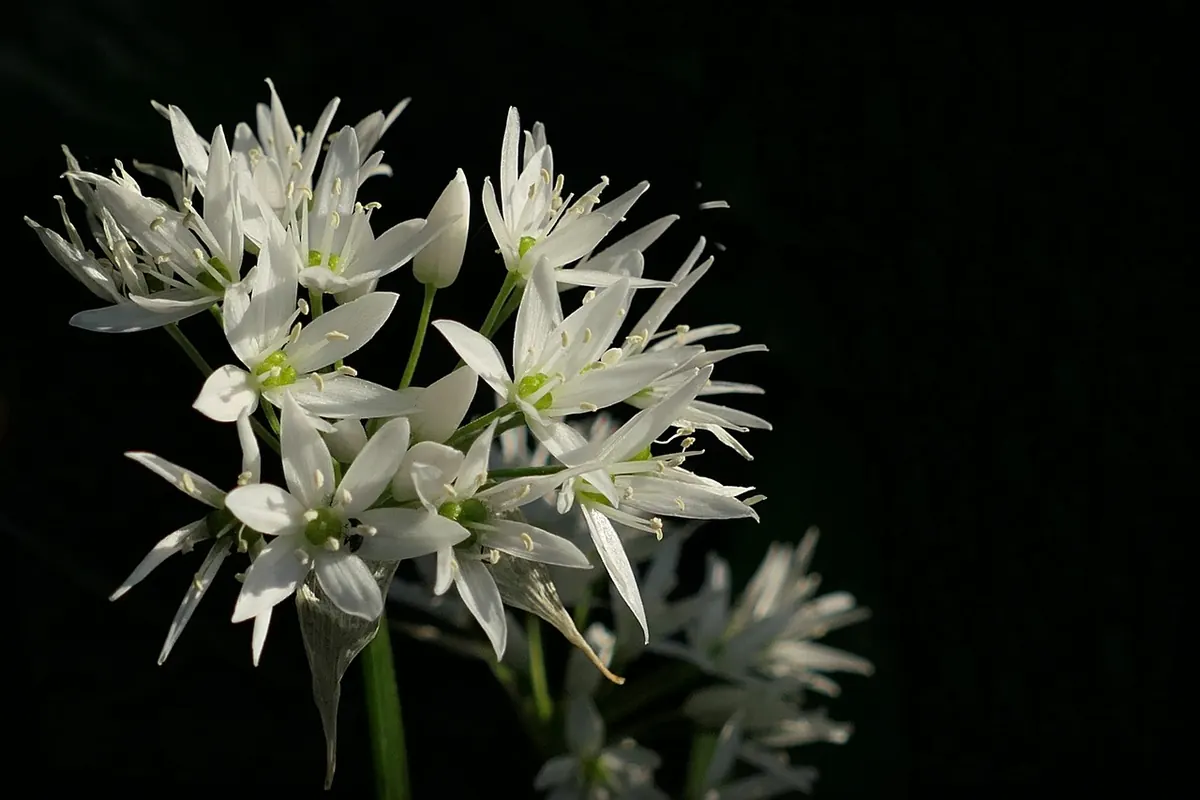
Wild garlic, sorrel and land cress all thrive in shade and in pots. Here's how to sow, grow and harvest...
Herbal Teas from the Hedgerow: Safe Recipes for Nettle, Mint and Chamomile
A practical beginner's guide to picking, drying and blending nettle, mint and chamomile from British...
About Us