Seven Common Foraging Mistakes Beginners Make (and How to Fix Them)
Most people start foraging the same way. A friend points at a hedge, names a plant, and suddenly the whole countryside looks like a menu. Then comes the first wobble: a leaf that looks right but smells wrong, a tempting patch on a roadside verge, a basket filled far too quickly. Mistakes are not a sign you should stop. They are the curriculum. What matters is which ones you learn from quickly, and which you never make twice.
Mistake one: Identifying a plant from a single feature
Leaf shape alone is not an identification. Nor is size, nor the fact that it grows in the same place you found it last year. Plenty of harmless plants have dangerous twins, and the differences often sit in details beginners skip: the stem, the smell, the way the leaves attach, the underside, the flowers or seeds.
Cow parsley is the classic example. Its feathery leaves look a great deal like those of hemlock, which is genuinely dangerous. Cow parsley has ridged, green, slightly hairy stems and a fresh parsley-ish smell; hemlock has smooth stems marked with purple spots or streaks and a sour, mousy scent. If you are not confident distinguishing them, leave both.
The cross-check habit
Before anything goes in your bag, name the plant and then find three separate features that confirm it. Then ask yourself one honest question: what else could this be? If you cannot answer that, you are guessing. Check a good field guide, ideally two, and learn the dangerous lookalikes in your area rather than only the plant you are hoping to find.
Mistake two: Picking from the wrong place
Clean plant, dirty location is still dirty food. Busy roadsides collect exhaust particulates and tyre dust. Field edges can catch spray drift from crops. Verges are sprayed by some councils, and they are also at exactly the height where dogs cock a leg. Old orchards and crumbling buildings may have lead paint flaking nearby. Industrial land and recently treated railway embankments are best avoided too.
Aim for quiet footpaths, hedgerows well back from traffic, woodland edges and gardens you control. Wash everything thoroughly, and remember that washing removes surface grime, not what the plant has taken up through its roots.
Mistake three: Taking more than the patch can spare
New foragers often strip a single good spot because it is the only one they know. That is how a reliable patch disappears. Spread your visits, take from the middle of a stand rather than the edges, and leave the strongest plants to set seed. Some habits worth building:
- Never take more than a small fraction of any one stand, and less if it is struggling.
- Leave roots alone unless you are certain of both the plant and your right to dig it.
- Pick leaves and flowers in a way that leaves the plant able to keep growing.
- Rotate your spots so no single patch is visited every week.
- If a plant is rare locally, admire it and move on.
Mistake four: Assuming you are allowed to pick it
In the UK, wild plants are covered by more than one set of rules. Uprooting a wild plant without the landowner's permission is generally an offence, and some species are protected outright. Picking leaves or fruit for personal use is often tolerated on land with public access, but it is not a blanket right. Nature reserves, Sites of Special Scientific Interest, National Trust land, council parks and common land all have their own bylaws, and commercial foraging almost always needs permission.
Ask yourself three questions: whose land is this, does this site have its own rules, and am I taking anything protected? This is a general summary rather than legal advice. If you plan to sell what you gather, or you are unsure about a site, speak to the landowner and take proper advice.
Mistake five: Picking with no plan for the harvest
A warm car boot is where good foraging goes to die. Soft leaves wilt, berries squash, and mushrooms turn to mush within hours. Take a shallow basket or a breathable bag rather than a sealed plastic one, keep everything out of direct sun, and get it home and cool as soon as you reasonably can.
Decide before you leave what you will actually do with the harvest. Nettles for soup, elderflowers for cordial, blackberries for the freezer — a plan stops you picking three kilos of something you will never use. Use soft leaves within a day or two, dry or freeze what you cannot cook straight away, and label anything you preserve with the date.
Mistake six: Treating "edible" as "eat as much as you like"
Edible does not mean eat freely, and it certainly does not mean eat raw. Nettles need blanching. Elderberries should be cooked. Some plants are fine in small amounts and unpleasant in large ones, and a few are only safe when prepared properly. Wild food is also new food to your gut, so introduce it in small quantities and see how you get on.
Start with a teaspoon, not a bowl. Avoid anything you cannot identify with total confidence, and never eat a plant you have picked from a spot you would not trust for clean produce. If you are pregnant, have a health condition, take medication or have known allergies, speak to a doctor or pharmacist before trying unfamiliar wild plants.
Mistake seven: Foraging with no records and no one knowing
You will forget where the good patch was. You will also forget what the plant looked like in June when you are trying to identify it in October. Take photographs of the whole plant, the leaf, the stem and the flower, note the date and roughly where you were, and jot down what you did with it. A simple notebook or phone album becomes a personal field guide within a season.
Tell someone where you are going, carry a charged phone, and stay aware of tide times, steep ground and getting absorbed enough to lose your bearings. Foraging alone in remote places is a poor idea, especially in winter.
A routine that fixes most of this
None of this needs to be complicated. Before your next trip, run through the same short sequence every time:
- Pick your site for cleanliness and access, not convenience.
- Identify with three confirming features and one serious alternative in mind.
- Take a small amount, from the middle of a healthy stand.
- Keep the harvest cool, and know what you are cooking before you leave.
- Record the plant, the place and the date.
- Try a little, wait, and only then decide whether to go back.
Do that for a season and the mistakes start to sort themselves out. You will still get things wrong occasionally — everyone does. The difference is that you will know when to stop, when to walk away, and when to leave the plant exactly where it is.
Photo: Filip Buczma / Pexels
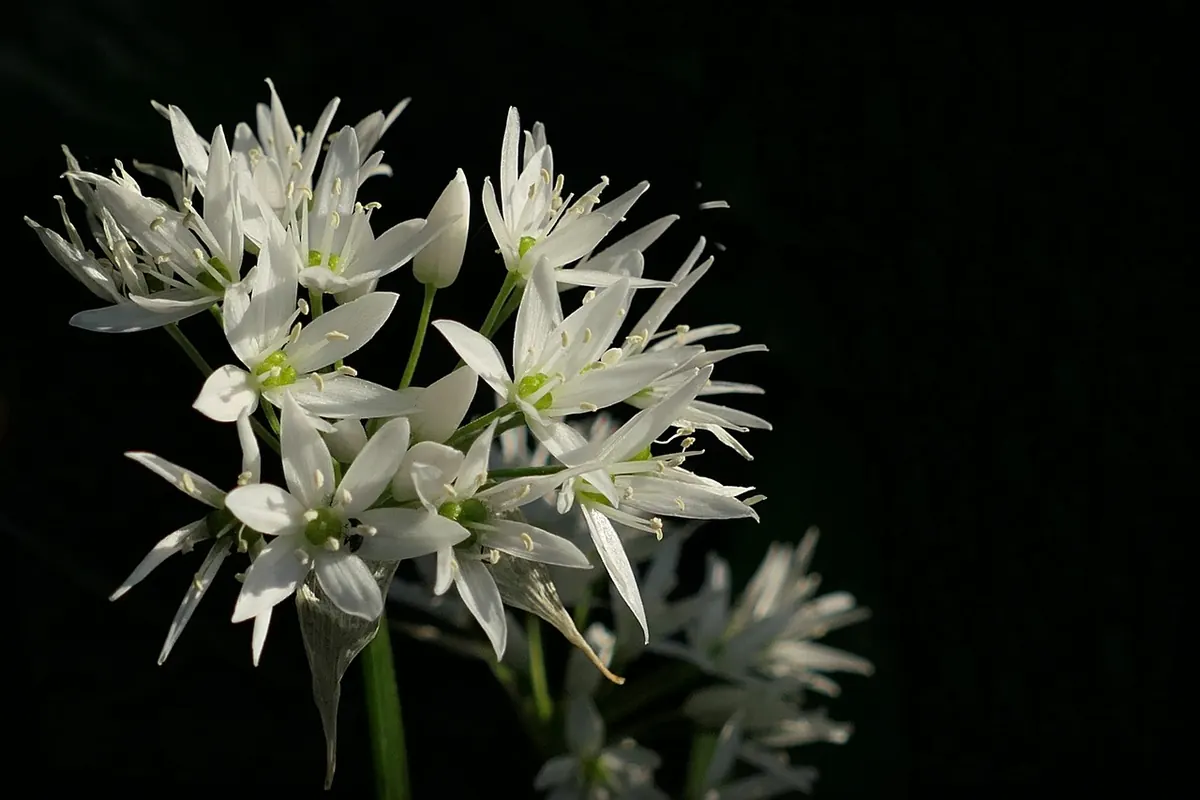
Growing Wild Edibles in a Small Kitchen Garden: Wild Garlic, Sorrel and Land Cress
Wild garlic, sorrel and land cress all thrive in shade and in pots. Here's how to sow, grow and harvest...

Herbal Teas from the Hedgerow: Safe Recipes for Nettle, Mint and Chamomile
A practical beginner's guide to picking, drying and blending nettle, mint and chamomile from British...
About Us