Beginner's Guide to UK Foraging: The Law, Safety and First Ten Edible Plants
Foraging in the UK is a quiet pleasure: a hedgerow handful of blackberries, a spring basket of wild garlic, a bowl of nettle soup. It also comes with rules, risks and a few plants that can trip you up. Here's what you need to know before you start, from the law to safe identification and ten reliable edibles to cut your teeth on.
The law: what you can and cannot pick
In England and Wales, the Theft Act 1968 allows you to pick wild mushrooms, flowers, fruit and foliage for personal use, provided you have lawful access to the land and you're not doing it for sale or reward. Uprooting a plant—taking the root—requires the landowner's permission. Scotland's access rights are broader: the Land Reform (Scotland) Act 2003 gives responsible access to most land, but foraging for commercial gain isn't covered, and uprooting still needs permission. Northern Ireland has similar rules under the Theft Act (Northern Ireland) 1969.
That doesn't mean every field is fair game. Access land, public footpaths and country parks have different rules. Nature reserves, Sites of Special Scientific Interest (SSSIs), Ministry of Defence land and many National Trust properties restrict or ban foraging. Some protected plants—certain orchids, for example—must never be picked. Always check local bye-laws and signs. If in doubt, ask the landowner.
This is general information, not legal advice. For commercial foraging, or if you're uncertain about a site, seek permission or professional advice.
Safe identification: habits that keep you out of trouble
Never eat a plant unless you are 100% certain what it is. That sounds obvious, but hunger and enthusiasm make people careless. Build a routine:
- Use a good field guide with clear photographs and descriptions of lookalikes. A specialist foraging book is a better starting point than a phone app.
- Check several features: leaf shape, arrangement, stem, smell, flowers, habitat and season. A single clue is never enough.
- Learn the dangerous lookalikes for anything you plan to eat. Wild garlic, for example, looks like lily of the valley and lords and ladies—both toxic. The garlic smell is the giveaway.
- Start with plants that have no deadly doppelgangers. Nettles, blackberries, elderflowers and hazelnuts are safe bets.
- Go on a guided walk or course with an experienced forager. Local knowledge is worth more than any book.
- If you are certain of your ID, try a tiny amount, cooked, and wait a day. Some people react to even safe edibles.
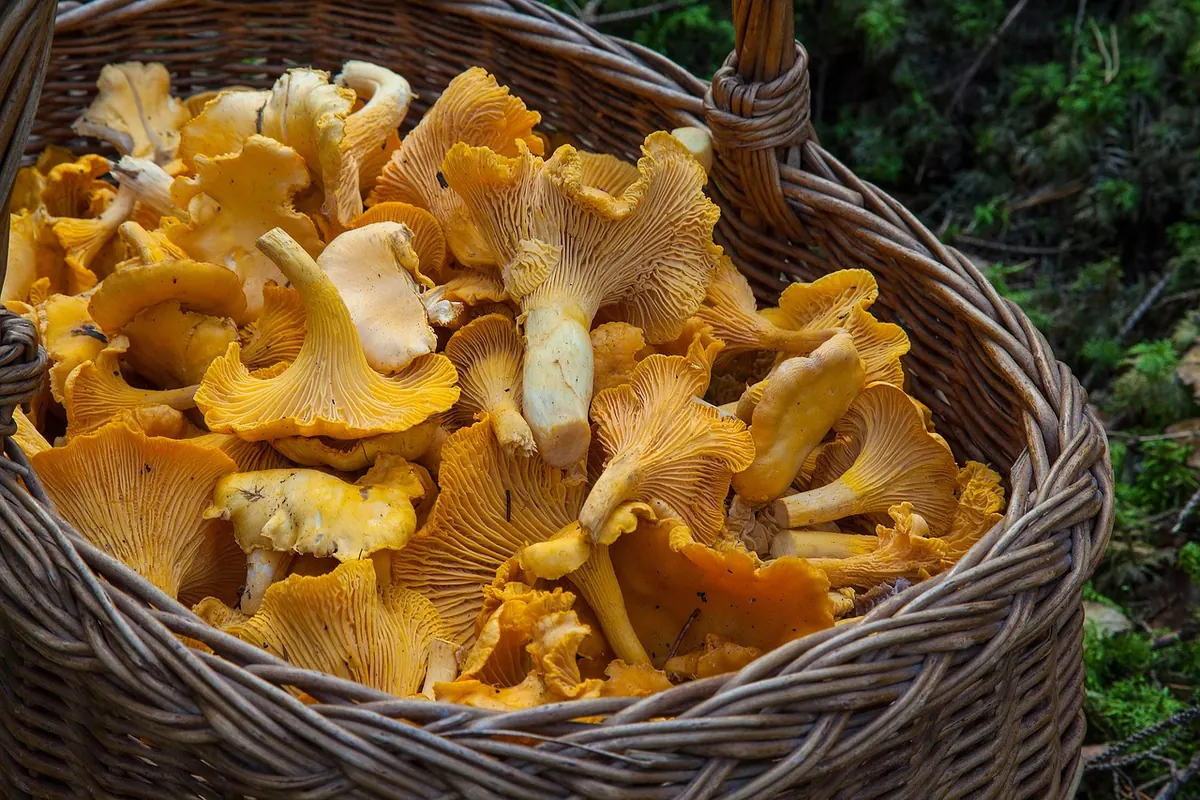
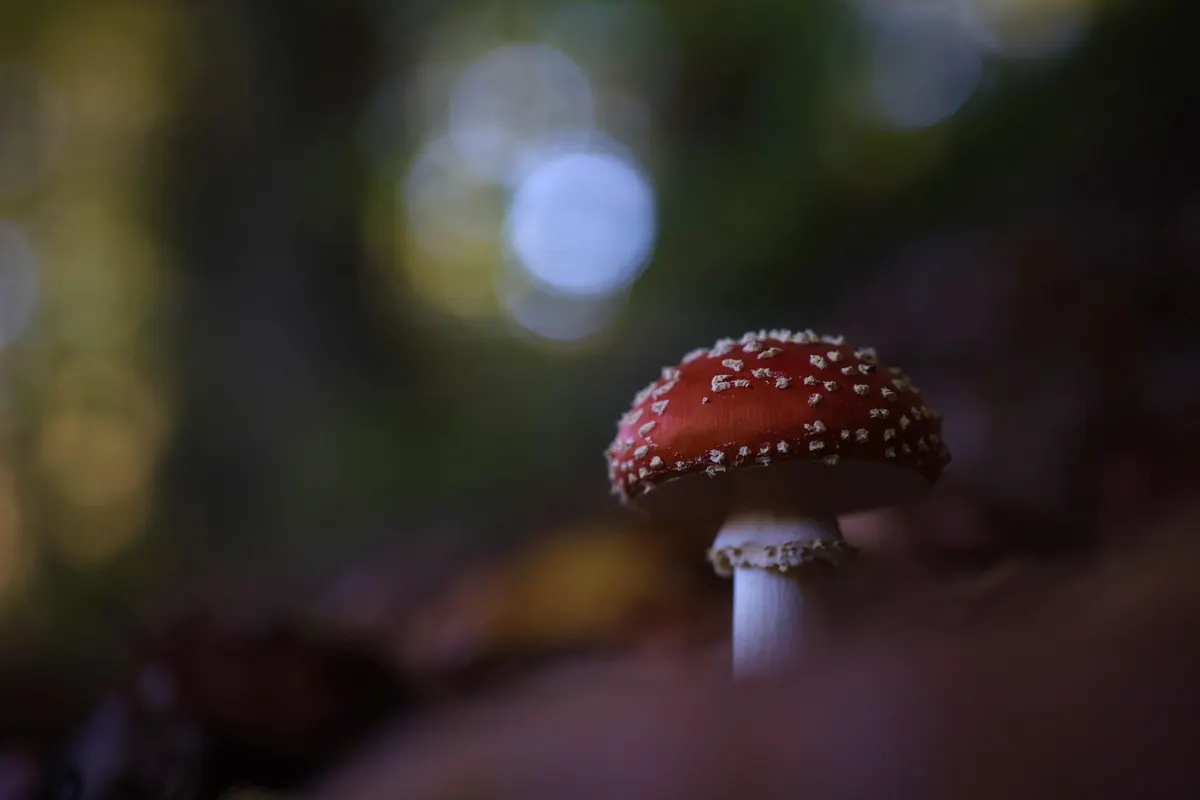
For mushrooms, be extra cautious. Many UK fungi are poisonous, and identification often requires spore prints and expert help. Leave fungi for another year.
A note on health: some wild edibles contain compounds that can affect people with certain conditions—sorrel's oxalic acid, for instance—so if you have a medical condition, are pregnant or on medication, ask a healthcare professional before trying new wild foods.
Kit and etiquette
Take a basket or cotton bag (plastic sweats and crushes), scissors or a knife, gloves for nettles, a field guide, water, and a phone for emergencies. Wear long trousers and sturdy boots. Tell someone where you're going.
Leave plenty behind. Pick from abundant patches, never strip a plant bare, and avoid roots unless you have permission. Don't trample habitats. Avoid busy roadsides, sprayed fields, dog-fouled verges and industrial sites. Wash everything before eating. And take only what you'll use—foraging is a shared resource.
Ten beginner-friendly UK edibles
These ten are common, easy to identify and useful in the kitchen. Learn one at a time.
- Stinging nettle (Urtica dioica) — Young leaves in spring, before the plant flowers. Blanch or cook to destroy the sting. Nettle soup, tea, pesto.
- Dandelion (Taraxacum officinale) — Young leaves add bitterness to salads; flowers make fritters; roasted roots make a caffeine-free coffee substitute.
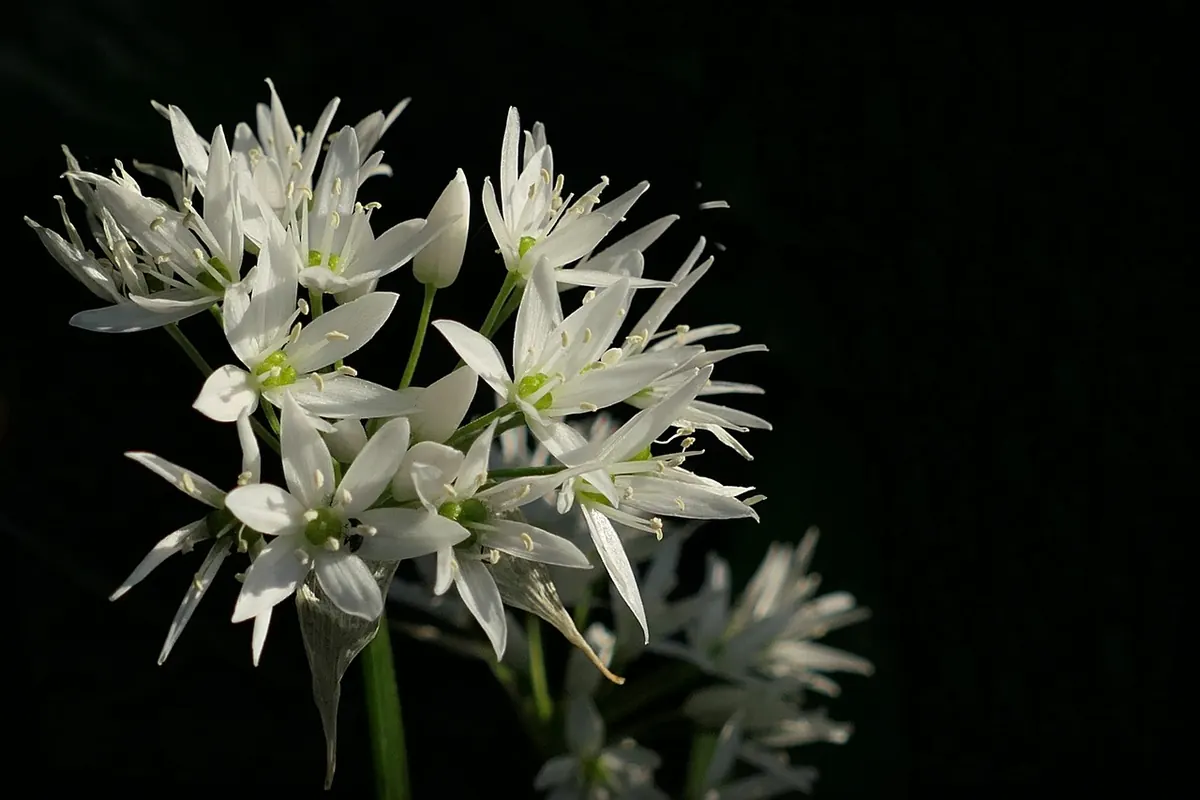
- Wild garlic (Allium ursinum) — Broad green leaves in shady woodland, strong garlic smell. Use leaves and flowers in pesto, soup, salads. Don't uproot.
- Blackberry (Rubus fruticosus) — Late summer and autumn. Pick only dark, easy-to-release berries. Eat fresh, freeze, jam.
- Elderflower and elderberry (Sambucus nigra) — Creamy flower heads in late spring for cordial and fritters. Berries in autumn must be cooked—raw ones cause stomach upset.
- Hawthorn (Crataegus monogyna) — Young spring leaves are mild and nutty; autumn haws make jelly or ketchup. Avoid the seeds.
- Hazelnut (Corylus avellana) — Late summer, green husks turning brown. Crack the shell to check for a plump nut. Eat fresh or dry.
- Common sorrel (Rumex acetosa) — Arrow-shaped leaves with a sharp, lemony taste. Use sparingly in salads, soups and sauces. High in oxalic acid.
- Chickweed (Stellaria media) — Mild, salad-friendly leaves with a line of fine hairs along the stem and tiny white star flowers. Best in cool weather.
- Wild strawberry (Fragaria vesca) — Tiny, intensely sweet fruits in summer. Leaves are three-lobed and toothed; flowers white. Look low in woodland edges.
Common mistakes to avoid
Don't forage from private gardens without permission. Don't pick from protected sites. Don't rely on one photo. Don't eat anything bitter or strange if you're unsure. Don't take more than you need. Don't mix plants you haven't identified—keep each species separate until you're home.
Start this weekend
Pick one plant from the list and learn it thoroughly. Nettles are a good first target: find a clean patch away from roads, wear gloves, take the top four leaves from each stem, and make a simple soup with onion and stock. Or wait for blackberry season and spend an hour in a hedgerow. Keep notes: date, place, weather, what you picked and how it tasted. Over a year, you'll build real confidence. If you're unsure, leave it. There will always be another season.
Photo: SeifenBlase / Pixabay
Growing Wild Edibles in a Small Kitchen Garden: Wild Garlic, Sorrel and Land Cress
Wild garlic, sorrel and land cress all thrive in shade and in pots. Here's how to sow, grow and harvest...
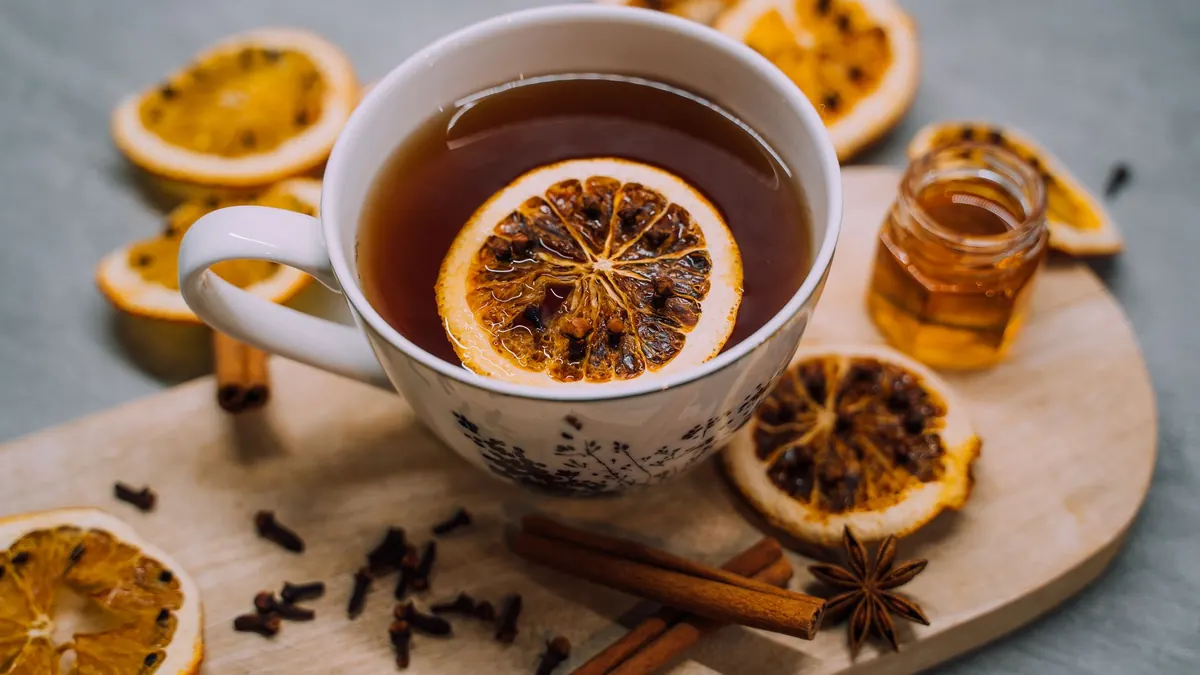
Herbal Teas from the Hedgerow: Safe Recipes for Nettle, Mint and Chamomile
A practical beginner's guide to picking, drying and blending nettle, mint and chamomile from British...
About Us